Becoming Ginger Rogers

Author: deannautroske

  • Press Release on Becoming Ginger Rogers

    Patrice Tanaka Shares Business and Life Lessons Learned From Ballroom Dancing in “Becoming Ginger Rogers… How Ballroom Dancing Made Me a Happier Woman, Better Partner and Smarter CEO”

    Just in Time for Season 18 of “Dancing With the Stars”
    BenBella Publishes Book for Aspiring Ballroom Dancers

    NEW YORK, NY, March 17, 2014 – Becoming Ginger Rogers is the perfect book for every “Dancing with the Stars” fan. It is the inspiring and uplifting story of how one woman, Patrice Tanaka, started ballroom dance lessons at age 50 to satisfy a lifelong dream of dancing like Ginger Rogers and, in so doing, found her way to unimaginable joy. Ms. Tanaka shares her personal story of how she took up ballroom dancing to lift herself from a deep depression she fell into post-9/11, the unraveling of a successful business she co-founded, and the prolonged illness and death of her beloved husband.

    Becoming Ginger Rogers is, in part, a memoir of a Japanese-American woman born and raised in Hawaii who fulfilled her dream of “making it” in the PR agency world of New York; it’s also a voyeuristic glimpse into the world of competitive “pro-am” ballroom dancing – similar to “Dancing With The Stars” where a professional dancer partners with an amateur dancer; and, finally, it’s a business book about the lessons learned from ballroom dancing that made Ms. Tanaka a better partner and a smarter CEO.

    If, like the author, you’ve spent the past 20 to 30+ years working, raising your family and caring for ill or infirmed loved ones and, in the process, neglected your own needs and desires, this book is for you. If you’re exhausted, unexcited and uninspired by your own life and see no light at the end of the tunnel, Becoming Ginger Rogers may be that light.

    In Becoming Ginger Rogers, Ms. Tanaka talks about:

    • How to reclaim, re-energize and re-excite yourself about life by engaging in an activity that has nothing to do with what you do every day.
    • How to “reschedule yourself” back into your own life as the first step toward reclaiming your life.
    • How lessons learned in ballroom dance such as the importance of being fully present – mind, body and spirit – have applications beyond the ballroom floor in helping you to communicate more effectively, create stronger connections and partner more successfully with others in your personal and professional life.
    • How to let go and follow someone else’s lead and realizing that this is not necessarily a second-best solution, but a strategy for winning!
    • How “overrated” and inhibiting perfectionism is; more important is to live full-out and fearlessly even if you make some missteps.
    • How visualizing your dreams are the first step in manifesting them.
    • How living every moment of your life in a way that is fulfilling in and of itself, and not dependent on some future you may not have, is the best way to live and to be prepared to die especially if you have little advance warning like the nearly 3,000 people who perished on 9/11.

    Patrice Tanaka is the co-chair, chief creative officer and whatcanbe ambassador for PadillaCRT, an award-winning, national PR and marketing agency she co-founded in September 2005. Her agency’s brand vision of whatcanbe is the reason PadillaCRT has been recognized for its workplace culture and won more than 300 PR and marketing awards for client campaigns.

    A widow since 2003, Ms.Tanaka lives in Manhattan. She devotes much of her free time to serving on the boards of non-profit organizations dedicated to helping women and girls, including the Girl Scout Council of Greater New York, the Family Violence Prevention Fund, the American Friends of Phelophepa (the South African health care train) and Asian Women in Business. She is also a competitive ballroom dancer and avid tennis player.

    BenBella Books is a Dallas-based, publishing boutique that aims to be the publisher of choice for a select group of authors who value personal attention, a partnership philosophy, flexibility and a creative approach to marketing. The company publishes a range of nonfiction, in particular quality nonfiction aimed at a niche market. BenBella is strong in health and nutrition, with a growing presence in business and popular science.

    Follow Patrice Tanaka and Becoming Ginger Rogers on Facebook and Twitter. To purchase the book, please go to Amazon.com and Barnes & Noble.
  • Praise for Becoming Ginger Rogers

    Early Praise for “Becoming Ginger Rogers…”

    “This is such a great analogy…how performing fearlessly in the ballroom world can impact one’s courage and perspective in the business world. Patrice Tanaka’s inspiring memoir about the lessons she learned on the dance floor and how she applied them to her life and career is a joy to read.”
    — NINA DI SESA, chairman and chief creative officer, McCann New York and author of Seducing the Boy’s Club

    “PR executive Patrice Tanaka writes in graceful, lively prose of her transformation from the depressed, repressed, perfectionist known at work as the ‘Ayatollah Tanaka’ to a ballroom champion she thinks of as ‘SambaGrl.’ Tanaka’s toe-tapping tale of how she awakens to the rhythms of her body and learns to dance through her mistakes – at work as well as in the ballroom – shines with inspiration. It may even send you off to buy a sequined dress and some Ginger Rogers shoes of your own.”
    — ALICE SCHROEDER, best-selling author, The Snowball: Warren Buffet and the Business of Life

    “Becoming Ginger Rogers…is about performing full-out and fearlessly in the ballroom world and adopting that approach to great success in the business world. As her client of more than a decade, I can vouch for that being the case. Patrice has written a joyful and inspiring memoir about the lessons learned from competitive ballroom dancing that have helped her to a richly rewarding business and personal life.”
    –CARRIE SCHWAB-POMERANTZ, president, Charles Schwab Foundation

    “If you’re a ‘Dancing With the Stars’ fan, you’ll love this book about ballroom dancing and how it transformed Patrice Tanaka’s life and made her a happier woman and more successful CEO.”
    –EDYTA SLIWINSKA, ballroom champion, Dancing With the Stars, seasons 1-10

    “Within the public relations community Patrice Tanaka is acclaimed for her firm’s outrageously creative marketing campaigns. Not satisfied she was living life to the fullest, she started lessons in ballroom dancing. In her compelling Becoming Ginger Rogers: How Ballroom Dancing Made Me a Happier Woman, a Better Partner and Smarter CEO she reports how she reached stardom in her new-found hobby while morphing her into a more effective manager and boss. Once I started reading, I couldn’t stop!”
    –HAROLD BURSON, founder chairman, Burson-Marsteller

    “If you’ve ever thought about learning to ballroom dance, this inspiring book by Patrice Tanaka will convince you to run not walk to your nearest dance studio.”
    –JOHN KIMMINS, president, Arthur Murray Dance Studios

    “…this is an absorbing, inspirational memoir of a gutsy woman navigating through crises toward self-fulfillment.”
    PUBLISHER’S WEEKLY

  • Bio of Author Patrice Tanaka

    About the Author

    PATRICE TANAKA
    Co-Chair, Chief Creative Officer, whatcanbe Ambassador, CRT/tanaka

    Patrice Tanaka is co-chair, chief creative officer and whatcanbe ambassador for CRT/tanaka, an entity she helped co-found in September 2005. Her agency has been recognized as the “Best Agency to Work for in America,” “Most Admired Mid-Size PR Agency in the U.S.” and “#1 Most Creative PR Agency in America,” among other accolades by various PR organizations and trade media. CRT/tanaka has also won more than 300 PR and marketing awards for client campaigns.

    She has been honored by many PR, marketing, business and civic organizations, including the Public Relations Society of America (“Paul M. Lund Award for Public Service”), The Holmes Report (“Creativity All-Star” Award), New York Women in Communications (“Matrix” Award), Association for Women in Communications (“Headliner” Award), Girl Scout Council of Greater New York (“Woman of Distinction” Award), Working Mother Magazine (“Mothering That Works” Award) and Asian Women in Business (“Entrepreneurial Leadership Award”), University of Hawaii (“Distinguished Alumni” Award), among others.

    Tanaka’s personal philosophy is that of “whatcanbe,” CRT/tanaka’s brand vision, cultural ethos and approach to business that involves helping the agency, its clients and the community-at-large to envision and manifest a bigger, brighter, better future.

    Born and raised in Hawaii, Tanaka graduated from the University of Hawaii in 1974 and following that worked as an editor at Hawaii Press Newspapers in Honolulu and later served as PR Director of the Hotel Inter-Continental Maui in Wailea. In 1979, she fulfilled a life-long, whatcanbe dream of moving to New York City. Tanaka joined Jessica Dee Communications, a PR agency she helped to build, which was acquired by Chiat/Day Advertising in 1987. In 1990, she led a management buyback of a group of 11 colleagues to co-found the employee-owned PT&Co. and served as the PR agency’s CEO & Chief Creative Officer. In 2005, Tanaka and her co-founders sold PT&Co. to Richmond, Va.-based Carter Ryley Thomas to form CRT/tanaka, an agency founded on the brand promise of whatcanbe.

    A widow since 2003, Tanaka lives in Manhattan. She devotes much of her free time to serving on the boards of non-profit organizations dedicated to helping women and girls, including the Girl Scout Council of Greater New York, the Family Violence Prevention Fund, the American Friends of Phelophepa (the South African health care train) and Asian Women in Business. She also serves on the Past Presidents Council of New York Women in Communications and is a former trustee and member of the Women’s Forum New York. Tanaka is also a competitive ballroom dancer and avid tennis player. Her book entitled, Becoming Ginger Rogers…How Ballroom Dancing Made Me a Happier Woman, a Better Partner and a Smarter CEO, is being published in September 2011 by BenBella Books.

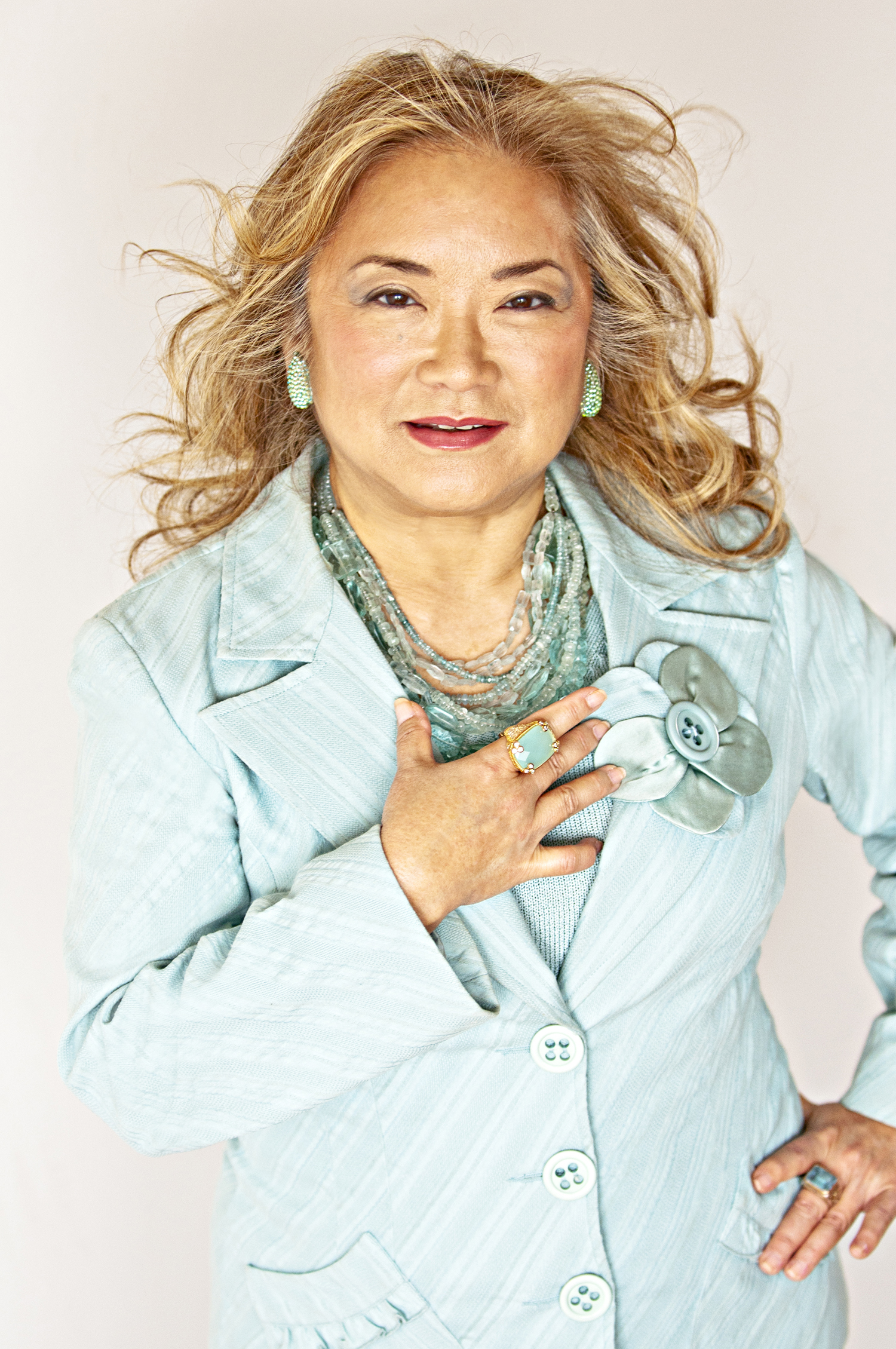
  • Photo of Patrice Tanaka

    Photo of Patrice Tanaka

    Patrice Tanaka Press Photo

  • History of Ballroom Dance

    History of Ballroom Dance

    • The Renaissance: During the Renaissance, Europe experienced a great revival of arts, literature and learning. During this era of cultural rebirth, social dancing was identified as court dancing. Numerous couples danced in formation, executing the same steps at the same time. Dance masters encouraged this by helping to choreograph dances with more complex patterns and, in so doing, assured themselves of gainful employment.
    • Queen Elizabeth I: The Queen, who began her reign in 1558, was a famous patron of the arts. She loved spirited dancing, including the dance form called the Galliard and a variation of it called Lavolta. Queen Elizabeth’s high regard for William Shakespeare was returned by him when he included a Galliard when performing his plays in her court.
    • 1816 and the Scandalous Waltz: The Times of London reported on the Prince Regent’s grand ball, saying that “We remarked with pain that the indecent foreign dance called the Waltz was introduced (we believe for the first time) at the English court on Friday last…” The end of the French Revolution (1987-1799) was a time of great growth for music and dance in Paris and the Waltz was king!
    • The Age of Reform: Queen Victoria (reign 1837-1901) had a special adoration for the Waltz. During the age of reform, labor laws changed radically and the middle class suddenly had leisure time. Social activities like dancing, once limited to the upper class, could now be enjoyed by the middle class. Partner dancing had now become a staple of Western civilization.
    • 1834 and the first exhibition Waltz in America: European dance master Lorenzo Papanti gave the first exhibition of the Waltz in Boston. The dance, which became known as “The Boston,” was viewed as shocking and vulgar.
    • 1890-1899: John Philip Sousa composed stirring marches celebrating American patriotism as Teddy Roosevelt and his Roughriders stormed up the slopes of San Juan Hill during the Spanish-American War. These bold cadences gave birth to the Two-Step that had more to do with a marching cadence than the flowing style of the Waltz. This dance is the predecessor to dances we now call the Foxtrot, Peabody and Quickstep. It also still enjoys great popularity today in the Country Two-Step. The Waltz continued to grow as the most popular dance of the day.
    • 1910: Vernon and Irene Castle ruled the world of ballroom dancing, bringing elegance, charm and sophistication to this type of dance.
    • 1913: Harry Fox and Yanszieka Deutsch of the Ziegfeld Follies formed an exhibition team to slow down the pace of ragtime music to develop the most popular ballroom dance of the 20th century – the Fox Trot – to which Mr. Fox lent his name.
    • 1920’s and Cuba’s influence: With Prohibition, Americans and Europeans flocked to Havana and brought back Cuban music and dance to the U.S. and Europe, including the Rhumba, Bolero, Mambo and the Cha Cha.
    • 1920: Arthur Murray brought dance to the average American when he began publishing mail-order dance lessons.
    • 1926: The Savoy Ballroom in New York opened its doors. The Lindy Hop, named in honor of Charles Lindbergh’s historic hop across the Atlantic, captured the rhythmic, flying style of this new Swing dance.
    • 1929: The stock market crashed on Oct. 30, 1929. People turned to cheap forms of entertainment, including the radio and movies, to endure the bitter times. People entertained at home, enjoying the new jazz rhythms of musicians like Benny Goodman.
    • 1933-39 and 1949: Ginger Rogers and Fred Astaire partnered in 10 movie musicals. See next section for their films.
    • 1938: Arthur Murray launched his chain of dance studios
    • 1941: World War II, which began across the Atlantic in 2939, made its ways to the shores of America on Dec. 7, 1941 when Japan attacked Pearl Harbor. On the American music scene, Cab Calloway, known as “The Professor of Jive,” embodied all that was fashion, music and slang, and the Swing culture was born! American GIs brought the exuberance of Swing, Jitterbug, and Jive to the European war theater. The American Foxtrot and Latin dancing also jumped abroad. British dance instructors did their homework in reinterpreting these dances and produced what is today known as the Standard or International style of ballroom dancing.
    • 1947: Fred Astaire opened his own studio on Park Avenue (NYC) to start a nationwide chain of dance studios that, like Arthur Murray Dance Studios, flourishes today.
    • 1950’s: Rock ‘n Roll
    • 1960’s: Solo dancing returned with a new dance called “The Twist.” Couples danced together, but never touched. Suddenly ballroom dancing and partner dancing was something that only your grandparents did.
    • 1970’s: Disco and the Hustle, Saturday Night Fever and Salsa. The Hispanic community of New York grew tremendously in the 1970’s adding the flavors of Mexico, Columbia, Cuba and Puerto Rico to create a dance called Salsa.
    • 1980’s and the Reagan Era: President Reagan proclaimed the third week of September as National Ballroom Week.
    • 1949-1998: Premiere of Come Dancing, a BBC TV ballroom dancing competition show that is one of television’s longest-running shows; it was re-launched in 2004 as Strictly Come Dancing, featuring celebrities dancing with professional partners on which ABC’s Dancing with the Stars is based.
    • 1990’s-Present: Proliferation of ballroom dancing, Swing dancing, Tango and Latin dancing in the U.S. and abroad.
    • 2004: Premiere of BBC’s Strictly Come Dancing in the U.K. Beginning in 2004, that show was exported by BBC to other countries under the name, Dancing with the Stars. Australia was the first country to air this new series. DWTS is now being aired in 32 countries (as of November 2010). This program became the world’s most popular television program across all genres in 2006 and 2007, according to Television Business International.
    • 2005: Premiere of ABC’s Dancing with the Stars in the U.S. NOTE: The 13th season begins Sept. 19, 2011.

    NOTE: Information in the History of Ballroom Dance is from The Complete Idiot’s Guide to Ballroom Dancing, Jeff Allen, 2002

  • Ballroom Dance Today

    Ballroom Dance Today

    Dance in Popular Culture

    • ABC’s Dancing with the Stars (DWTS), which began airing in the U.S. in 2005 and now starting its 13th season on Sept. 19, 2011 is one of the top ranked, prime time TV shows in America, attracting more than 21 million adults across all demographics. It is a retooled version of the long-running, popular British TV series, Strictly Come Dancing, another show where celebrities are partnered with professional dancers and compete against one another
    • DWTS spawned other popular TV dance series, including FOX Television’s So You Think You Can Dance (SYTYCD) in July 2005; MTV’s America’s Best Dance Crew (2008); Oxygen Network’s Dance Your Ass Off (premiered June 29, 2009 and became the most-watched show in Oxygen’s history), Paula Abdul’s Live to Dance on CBS (January 2011), and many others
    • Popular dance films in recent years include: Black Swan (2010, featuring Natalie Portman who won an Academy Award for her performance); Step Up 3-D (2010); StreetDance 3-D (2010); Stomp the Yard 2: Homecoming (2010)

    Dance Studios in U.S.

    • There are 15,275 “dance studios, schools and halls” in the U.S., listed on the PCS Cultural & Fine Arts mailing list

    The Dancing Public

    • Nearly one in eight adult Americans (12.1%) say they have taken dance lessons at some point in their life, according to the National Endowment for the Arts’ most recent study (2008) of arts participation in the U.S. This includes all forms of dance, including ballet and modern.
    • In the same 2008 study, 4.8 million adult Americans (2.1%) said they had taken a dance class in the previous 12 months. Dance participation across all age groups, ranging from 2.9% for 18-24 year olds to 1.5% for those 75 and older, peaking at 3.1% for adults 65-74

    Ballroom Dance Organizations

    • USA Dance: The governing body for amateur ballroom dancers in the U.S. with 172 chapters nationwide and outreach to 200,000 amateur ballroom dancers http://usadance.org/
    • National Dance Council of America (NDCA): The Official Governing Council of Dance and Dancesport in the USA. With 17 Member Organizations encompassing more than 25,000 dance professionals and over 110 sanctioned competitions and championships, it is the leading authority of dance for Professionals, Amateurs and Pro/Am Competitors. http://www.ndca.org/
  • Health Benefits of Ballroom Dance

    Health Benefits of Ballroom Dance

    • Dancing and, in particular, ballroom dancing has been proven to have powerful health benefits. The Einstein Aging Study, published in the New England Journal of Medicine in 2003 found that ballroom dancing twice a week made people less likely to develop dementia. Of the 11 physical activities studied, only dancing was tied to a lower dementia risk. This was attributed to the intellectual, rather than the physical, aspect of dance. Avid ballroom dancers recorded a 76 percent risk reduction, the highest of all activities measured.
    • Dancing can burn as many calories as walking or riding a bike. Dance 30 minutes straight and you will burn 200-400 calories, the same as walking, swimming or cycling. Doing a quickstep is the same caloric level as running a four-minute mile. This is according to researchers at the Mayo Clinic in Rochester, Minn.
    • The National Heart, Lung and Blood Institute found that consistent social dance exercise leads to a slower heart rate, lower blood pressure and improved cholesterol levels.
    • A study presented in 2006 by the Universita Politecnica delle Marche School of Medicine at the American Heart Association meeting in Chicago found that 44 patients who danced three times a week for two months had slightly improved heart and lung function and were happier than peers who worked out on a treadmill or stationary bike.
    • McGill University study in 2005 found that seniors who dance have better posture and balance and are more mentally fit than those who don’t. Thirty healthy volunteers from Montreal, aged 62 to 90, took part in the study and were divided into two groups: one group was assigned to take twice weekly walks through the city’s parks; the other group was given tango lessons. Nine of the 14 tangoing seniors “dramatically” reduced their risk of having a serious, accidental fall, compared to just three out of 10 in the walking group, who showed only marginal improvement. Dancing led to better co-ordination and balance compared to walking. And the dancers’ “working memory” improved when both groups performed tests such as reordering random letters and numbers in sequence. The Tangoers scored on average in the 65-percentile range up from 50 percent, an improvement that continued weeks after their lessons ended. The walkers improved to about 54 or 55 percent, but the improvement didn’t last.
    • Whether its ballet or ballroom, dancing can help people of all ages and physical abilities get and stay in shape. Like other moderate, low-impact, weight bearing activities, dancing can help:
      • Strengthen bones and muscles without hurting your joints
      • Tone your entire body
      • Improve your posture and balance, which can prevent falls
      • Increase your stamina and flexibility
      • Reduce stress and tension
      • Build confidence
      • Provide opportunities to meet people
      • Ward off illnesses like diabetes, high blood pressure, heart disease, osteoporosis and depression
  • Ballroom Dance in Film

    Ballroom Dance in Film

    Filmography

    • Fred Astaire and Ginger Rogers (1933-39 and 1949): Ginger Rogers and Fred Astaire partnered in 10 movie musicals, including: Flying Down to Rio (1933, in which they had supporting roles in the film; the main star was Dolores Del Rio); The Gay Divorcee (1934 featuring the Cole Porter classic “Night and Day” and the song, “The Continental”); Roberta (1935, which featured the song, “I Won’t Dance”); Top Hat (1935, featuring the most famous Ginger and Fred song and dance number done to Irving Berlin’s song, “Cheek to Cheek”); Swing Time (1936, which introduced the song, “The Way You Look Tonight”); Follow the Fleet (1936); Shall We Dance (1937, featuring the song, “They Can’t Take That Away From Me”); Carefree (1938); The Story of Vernon and Irene Castle (1939, a musical biography of ballroom dancers Vernon and Irene Castle; this was Fred and Ginger’s last movie with each other for 10 years as she wanted more dramatic roles in movies); The Barkleys of Broadway (1949, Fred and Ginger’s last movie together)
    • Roseland (1977): The film is made up of three connected short features, The Waltz, The Hustle and The Peabody. All three stories share a theme of the protagonists trying to find the right dance partner, and all are set in the Roseland Ballroom in New York City.
    • Strictly Ballroom (1992): Australian romantic comedy directed and co-written by Baz Luhrmann.
    • Shall We Dance? (1996): Japanese ballroom dance film later remade into an American version starring Richard Gere and Jennifer Lopez
    • Dance with Me (1998): Starring Vanessa Williams and Latin music star, Chayanne. Plot based on dancing: ballroom vs. street.
    • Shall We Dance? (2004): Remake of the Japanese film with Richard Gere and Jennifer Lopez.
    • Mad Hot Ballroom (2005): Documentary about a ballroom dance program for fifth graders in the New York City public school system created by ballroom dance studio owner/former dance champion Pierre Dulaine.
    • Marilyn Hotchkiss’ Ballroom Dancing and Charm School (2005): A musical romance film.
    • Take the Lead (2006): Starring Antonio Banderas as ballroom dance studio owner/champion, Pierre Dulaine, who volunteers to teach dance in a New York public school.

    Other Popular Dance Films and/or Films with Memorable Dance Sequences

    • The Four Horsemen of the Apocalypse (1921): Rudolph Valentino dances tango.
    • The Red Shoes (1948): Classic British ballet film, loosely based on the Hans Christian Andersen fairy tale, and cited by directors Martin Scorsese and Brian DePalma among their all-time favorite films.
    • An American in Paris (1951): Gene Kelly and Leslie Carol star in this MGM musical with orchestral composition by George Gershwin. Climax of the film is a beautiful, 16-minute ballet.
    • Singing in the Rain (1952): Gene Kelly, Debbie Reynolds and Donald O’Connor often referred to as one of the best movie musicals ever
    • The Bandwagon (1953): Fred Astaire and Cyd Charisse
    • Funny Face (1957): A musical set in Paris with Audrey Hepburn and Fred Astaire that is loosely based on the life of photographer Richard Avedon. Audrey Hepburn dances a jazzy ballet.
    • West Side Story (1961): Winner of 10 Academy Awards featuring choreography by noted Broadway director/producer/choreographer Jerome Robbins.
    • Zorba the Greek (1964): Anthony Quinn in his most famous role dancing the sirtaki on the beach.
    • The Turning Point (1977): Starring Mikhail Baryshnikov in his first film.
    • Saturday Night Fever (1977): A young John Travolta starring as Tony Manero, an immature young man whose weekends are spent at a Brooklyn disco featuring soundtrack by the Bee Gees.
    • Flashdance (1983): Jennifer Beale in that famous water-drenched dance number – “What a Feeling.”
    • Footloose (1984): Kevin Bacon in his first big movie musical smash hit.
    • White Nights (1985): Starring dancers Mikhail Baryshnikov and Geoffrey Hines, trying to escape from the Soviet Union.
    • Dirty Dancing ( 1987): Patrick Swayze and Jennifer Grey in this iconic coming of age story and dancing their famous mambo number
    • Hairspray (1988 and 2007): A social commentary about injustices in America in the 60’s and 60’s style dance music and “downtown” rhythm and blues.
    • Scent of a Woman (1992): Al Pacino’s famous tango dance.
    • Pulp Fiction (1994): Travolta dances with Uma Thurman.
    • Flamenco (1995): Director Carlos Saura films a world of Flamenco – singing, dancing and guitar playing.
    • The Tango Lesson (1997): Film about Argentine tango shot mostly in black and white in Paris and Argentina.
    • Tango (1998): Film written and directed by Carlos Saura about Argentine tango.
    • Billy Elliot (2000): The film that inspired the Broadway production, Billy Elliott the Musical about an 11-year old boy from a coal mining region of the U.K. who aspires to be a ballet dancer.
    • Save the Last Dance (2001): Romantic drama dance film starring Julia Stiles.
    • Chicago (2002): Movie musical adapted from stage musical of same name about celebrity, scandal and corruption in “Jazz Age” Chicago. Starring Renee Zellweger, Richard Gere, Catherine Zeta-Jones and Queen Latifa.
    • The Company (2003): A film about the Joffrey Ballet of Chicago.
    • Mao’s Last Dancer (2009): Australian biographical film based on Chinese ballet dancer Li Cunxin’s autobiography of the same name.